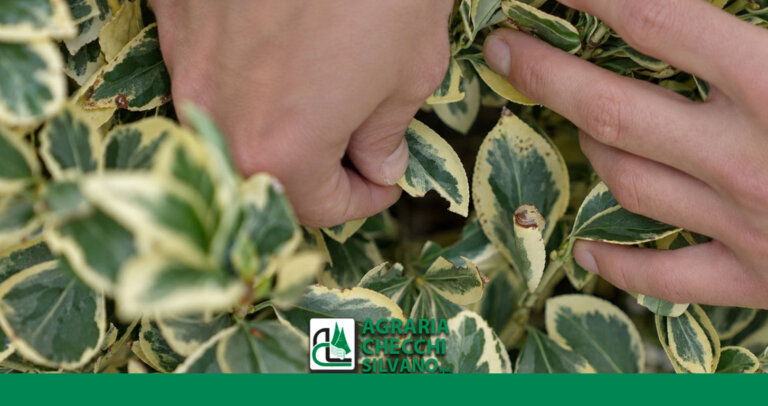

Cydia molesta (oriental fruit moth) is an extremely dangerous tortricid moth on peach, its main host, but it also attacks other stone and pome fruit and some ornamental species of the genus Prunus (cherry laurel, Portugal laurel) and Photinia.
The adults are small (12–15 mm), with blackish-brown wings with lighter shading. It overwinters as a mature larva in a wide variety of shelters.
The first adult flight occurs as early as late March–early April. Mating only takes place when dusk temperatures are above 16 °C, and egg-laying begins 1–2 days later.
The larvae hatch after 7–14 days and start feeding almost immediately, boring into a shoot; after the first moult they move into a second one. On reaching the fifth instar the larva attacks another shoot to complete its development. The larva develops in 12–15 days, pupates (on the plant or on the ground) and the adults appear 1–2 weeks later; the second emergence (second flight) takes place in May–June.
A second generation of larvae follows, whose adults appear (third flight) in early July; these give rise to the third larval generation, which is the most dangerous.
From mid-July to October adults are flying constantly; during this period the fourth and possibly a fifth larval generation develop.
The larvae attack the most tender green shoots, where they cause the greatest damage. They enter the tip of the shoot from the main leaf vein or the leaf axil and begin boring a tunnel downwards. The heaviest attacks occur in July–August, although for ornamental plants the most damaging are those in September–October, when the plants are ready for sale.
Mating disruption is very effective for controlling this insect.
The mating disruption method is an integrated pest management technique based on releasing the synthetic pheromone of certain insects into the environment.
The aim is to saturate the area as much as possible by raising the concentration of pheromone in the air, thereby impairing the ability of the males of the target species to find the females.
Mating disruption therefore reduces the total number of matings, and consequently the population in the field and the damage to crops.
The dispensers are placed directly on the plants as evenly as possible across the area concerned (in a checkerboard pattern), taking care to reinforce the perimeter more heavily.
This technique has proved very useful for controlling this harmful insect more effectively and is now widely used in nurseries too.
We look forward to seeing you at our shop in Pistoia, at VIA BONELLINA 57.
For more technical information and advice on use, contact us.