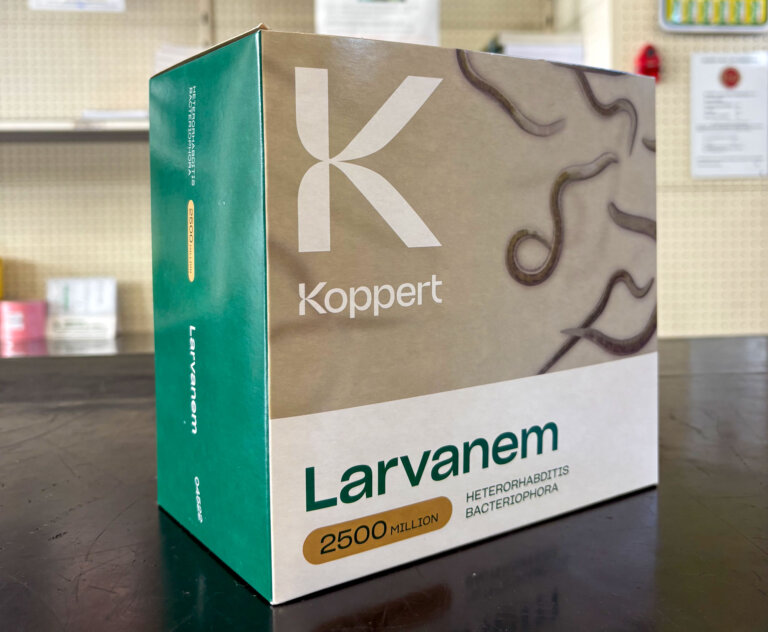
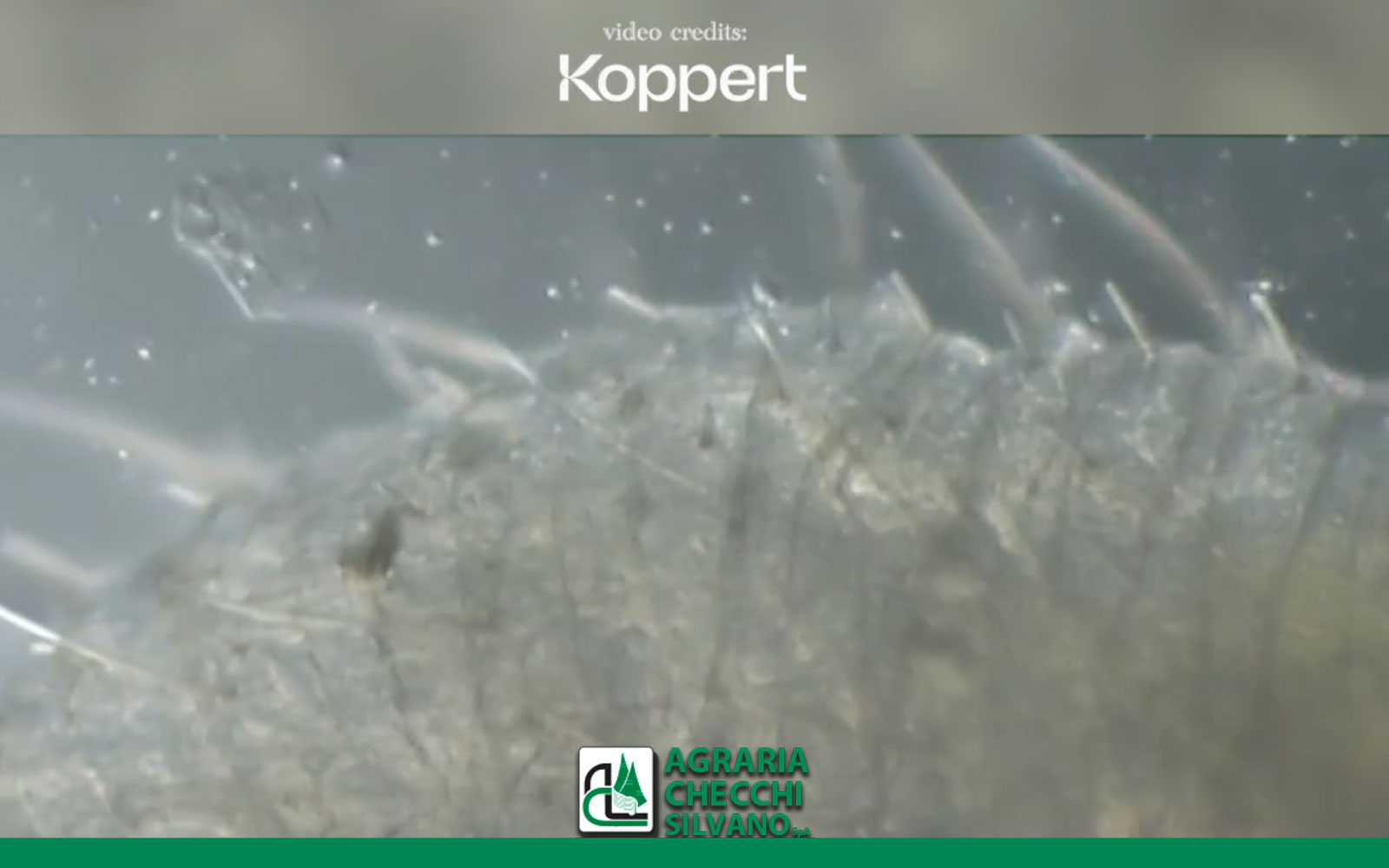
Nematodes that specialise in parasitising insects are called entomopathogenic nematodes and are used to control harmful insects on many crops, including flowers and ornamentals.
The two species most commonly used belong to the genera Steinernema and Heterorhabditis: these nematodes are obligate parasites of many harmful insects, including thrips, flies, moths and beetles.
Moisture is a key factor, both for the nematodes’ movement (they need a liquid film to move) and for their survival from application until they enter the host. Using a wetting agent in the mix contributes greatly to their effectiveness by creating more favourable conditions for the nematodes’ activity.
Entomopathogenic nematodes are therefore a useful tool to include in integrated pest management programmes.
For more information on entomopathogenic nematodes, contact us.